
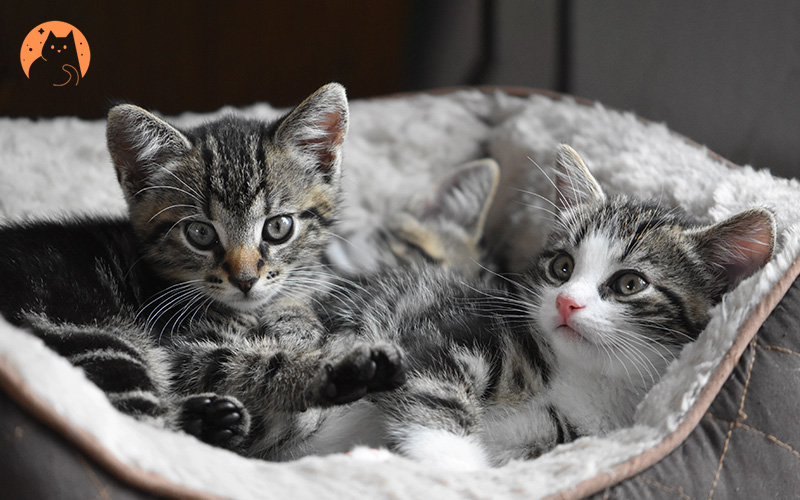
So, you’ve fallen in love with a wide-eyed Ragdoll or a charming British Shorthair kitten—congratulations! Cats are purring their way into the hearts (and homes) of more Singaporeans than ever before. Their low-maintenance nature, delightful quirks, and undeniable cuteness make them a popular choice for urban dwellers.
But let’s be real, owning a cat in Singapore comes with more than just Instagram-worthy moments and fluffy snuggles. It also means stepping up as a responsible pet parent. And yes, that means understanding something called a cat license.
What is Cat Licensing in Singapore?
From 1 September 2024, every cat owner in Singapore will need to obtain a valid license. This is part of the new Cat Management Framework introduced by the Animal & Veterinary Service (AVS), aimed at promoting responsible pet ownership and improving animal welfare standards nationwide. The new Singapore pet cat licensing scheme requires all pet cats to be microchipped and officially licensed, with a generous two-year transition period ending on 31 August 2026.
Why Has Cat Licensing Become Mandatory in Singapore?
Licensing also brings wider benefits beyond individual households. It strengthens owner accountability, improves traceability during disease outbreaks, and supports efforts to manage stray populations through sterilisation programmes. By making cat ownership official, authorities can also clamp down on illegal breeding activities that put both animals and owners at risk. In fact, NParks investigated 58 such cases and seized 91 cats between 2023 and 2024, highlighting why tighter regulations matter.
Still, the focus remains simple: helping you raise a happy, healthy, and well-cared-for pet. In the next sections of this guide, we’ll walk you through everything you need to know about getting a licence for your cat in Singapore. Here’s what we’ll cover:
- Why your cat needs a license, and how it promotes responsible ownership
- When and who needs to apply for a cat license
- Step-by-step guide to applying through the Pet Animal Licensing System (PALS)
- Rules and responsibilities for licensed cat owners
- Important dates and details about the transition period and free lifetime licensing
- Final tips on staying compliant and being a responsible cat parent
Whether you’re a new cat owner or just need a refresher on the updated rules, this guide will walk you through it all with ease. Let’s get started!
Why Should You License Your Cat?

You might be wondering—do I really need to go through the hassle of getting a cat license? After all, your fluffy Ragdoll just naps all day and wouldn’t hurt a fly, right? Well, while your cat may be an angel at home, licensing them isn’t about punishment or control. It’s actually a big step towards being a responsible and forward-thinking cat parent in Singapore.
Let’s break down why this little piece of paper (or rather, digital record) makes a big difference.
1. It’s About Your Cat’s Safety and Identity
Think of the license as your pet’s personal ID. If your cat ever escapes or gets lost (yes, even the laziest loungers have their curious moments), having them licensed and microchipped makes reunification much faster. Authorities and vets can scan your cat, pull up their registration, and contact you directly. No missing posters, no heartbreak.
2. It Helps Manage Stray Cat Populations
Licensing is linked to sterilisation, one of the most effective ways to prevent unwanted litters and control the stray population in our neighbourhoods. When you apply for a licence, you’ll need to show proof that your cat has been sterilised (unless exempted for medical reasons). This ensures fewer abandoned kittens and supports a more balanced and healthier cat community across Singapore.
3. It’s Good for Public Health
A licensed cat is a vaccinated cat. Keeping vaccinations up to date reduces the spread of diseases, not just among cats, but also to humans and other pets. Diseases like rabies and feline panleukopenia are no joke, and your cat license ensures your pet is protected and part of a wider public health effort.
4. It’s Now a Legal Requirement
From 1 September 2024, all cats in Singapore must be licensed, no matter where you live. The rule applies across HDB flats, condominiums, and landed homes alike. Failing to comply could result in fines, but the aim is not to punish—it’s to ensure cats are traceable, cared for, and protected under the new framework.
Think of it less as bureaucracy and more as a way of showing you’re a responsible cat parent, doing your part for your pet and the wider community.
Who Needs to Apply for a License and When?
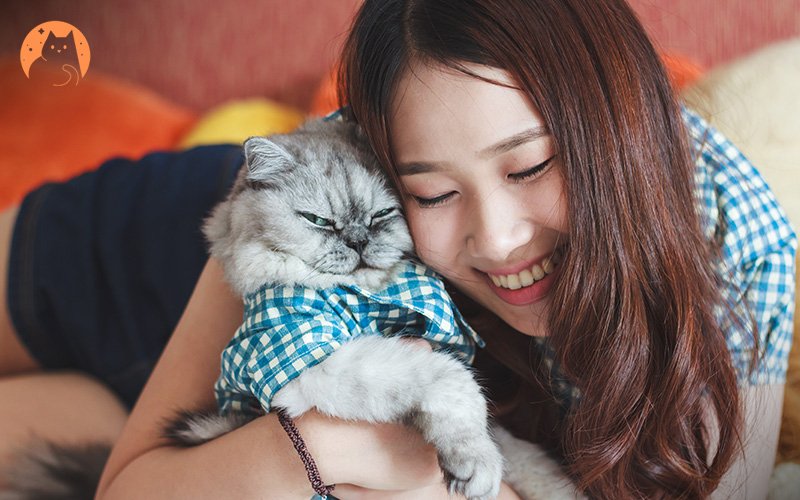
Now that you know why getting a cat license is such a game-changer, the next question is—does this apply to me? Spoiler alert: yes, it probably does. In Singapore, the new licensing rules are designed to be inclusive and universal, meaning all cat owners must apply for a cat license, no matter where they live or how many cats they have (okay, within limits—more on that in a bit!).
1. So Who Exactly Needs a Cat License?
The answer is simple: every cat owner. No matter where you live, you’ll need to register your feline companion. This marks a major shift, especially for HDB dwellers, where cat ownership was previously a bit of a grey area. Now, with the introduction of the Cat Management Framework, the rules are clearer and fairer for everyone.
2. When Should You Apply?
Timing matters. You’ll need to apply for a cat license once your cat is at least four months old. Why four months? That’s usually when your kitten is ready for sterilisation and microchipping, two key requirements for licensing. Think of it as your cat’s graduation into official adulthood.
3. Got an Unsterilised Cat?
No problem (yet). If your cat hasn’t been sterilised, they’ll be issued a temporary license valid until 31 August 2026. After that, however, sterilisation becomes mandatory unless your vet provides an exemption. When you renew the license after this date, fees will apply, and yes, they’re significantly higher for unsterilised cats.
4. What If You Have More Than One Cat?
If you live in an HDB flat, you’re allowed up to two sterilised cats per unit. This helps maintain harmony in high-density housing. For private property owners, you may have more, but each cat still needs their own cat license.
To sum it up: if you own a cat, plan ahead and get licensed early. Not only does this keep you on the right side of the law, but it also ensures your feline friend is officially part of the Singapore cat community—tail flicks and all.
Do You Have to Pay for a Cat Licence?
Here’s some good news: from 1 September 2024 to 31 August 2026, cat licensing is free. If your cat is sterilised within this period, the licence will be valid for life with no renewals or extra cost. If your cat isn’t sterilised, you’ll receive a temporary licence, and standard fees will apply after 31 August 2026.
Prefer a quick look? Here’s the breakdown:
Licence fees (From 1 September 2024 to 31 August 2026)
| Licence fees for pet cats during the two-year transition period (From 1 September 2024 to 31 August 2026) | ||||
| Category | One-Year Licence | Two-Year Licence | Three-Year Licence | One-Time Licence |
| Sterilised Cats | NA | NA | NA | Free one-time licences with lifetime validity |
| Unsterilised Cats | Free licences covering the transition period (Licences for unsterilised cats are issued on a renewal basis) | NA | NA | |
Licence fees (From 1 September 2026 onwards)
| Licence Fees for pet cats/dogs* (From 1 September 2026) | ||||
| Category | One-Year Licence | Two-Year Licence | Three-Year Licence | One-Time Licence |
| Cats/dogs below five months of age | S$15 per cat/dog | NA | NA | NA |
| First three cats and/or dogs |
Sterilised: S$15 per cat/dog Unsterilised: S$90 per cat |
Sterilised: S$20 per cat/dog Unsterilised: S$165 per cat/dog |
S$230 per unsterilised cat/dog | S$35 per sterilised cat/dog |
| Fourth and subsequent cat/dog |
S$180 per cat/dog OR A reduced licence fee of S$15 for the fourth cat/dog^ |
S$325 per cat/dog OR A reduced licence fee of S$25 for the fourth cat/dog^ |
S$460 per unsterilised cat/dog |
S$460 per sterilised cat OR A reduced licence fee of S$35 for the fourth cat/dog^ |
How to Apply for a Cat License in Singapore
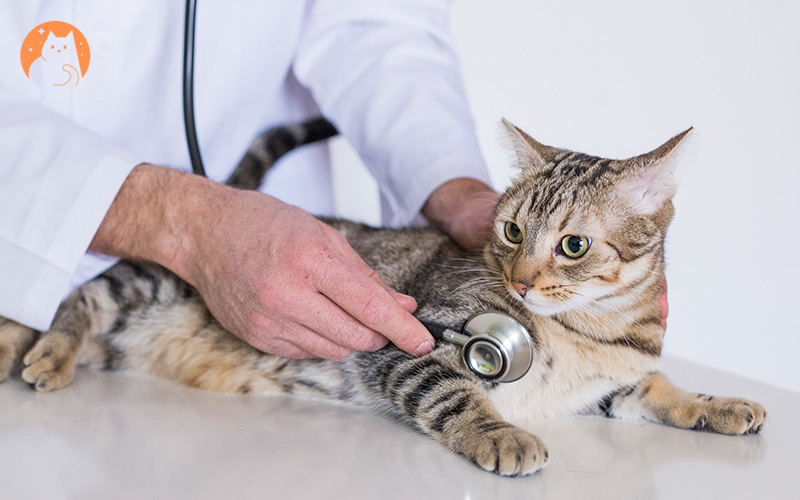
So, you’ve made the decision to be a top-tier cat parent—paws up to you! After knowing who needs to apply and when, let’s dive into the how. Applying for a cat license in Singapore isn’t as complicated as it sounds. In fact, it’s designed to be quick, straightforward, and entirely digital. No standing in line with a cat carrier and a meowing ball of fluff. (Phew.)
Step 1: Microchip Your Cat
Before you even think about logging in, make sure your cat has been microchipped. This is non-negotiable as your cat’s microchip number is used to create and track their cat license in the official system. Think of it as your cat’s unique ID number in the national registry.
Step 2: Take the Pet Ownership Course (First-Timers Only!)
If you’re applying for the license for the very first time, you’ll need to complete a one-time, free online pet ownership course provided by AVS. It’s short, informative, and helps you understand the basics of cat care and responsibilities. Trust us, it’s not as dry as it sounds!
Step 3: Register Online via PALS
Once your cat is microchipped and (ideally) sterilised, head over to the Pet Animal Licensing System (PALS). This is where you’ll fill in all the necessary information, your details, your cat’s microchip number, sterilisation status, and any required documentation for your official cat registration.
Keep Your Cat’s Licence Details Updated for Life
If you move house, transfer your cat to another owner, or, sadly, if your cat passes away, you’ll need to update those changes in the PALS system. Keeping your cat’s license details accurate is part of being a responsible and loving cat guardian.
Simple, right? With just a few clicks, your cat will be officially registered and recognised by Singapore’s animal authority, because nothing says “I love you” like legal documentation!
Rules and Responsibilities for Licensed Cat Owners

After you’ve microchipped your cat, taken the ownership course, and successfully registered your feline on PALS, your cat license is now official! But before you pop the champagne (or crack open a tin of tuna in celebration), it’s important to remember that licensing isn’t the final step. It’s just the beginning of a long, happy journey of responsible cat ownership.
With your license in hand, you’re expected to follow a few key rules to ensure that your cat remains safe, healthy, and a good neighbour—yes, even if they don’t technically leave your house.
Here’s how!
1. Keep Your Cat Indoors
This is especially important for those living in HDB flats. Licensed or not, cats that roam common corridors or venture into neighbours’ homes can become a source of complaints. Keeping your cat indoors protects them from accidents, illnesses, and conflict with other animals—or worse, angry neighbours with brooms.
2. Manage Nuisance Behaviour
We love our cats, but let’s be honest: excessive meowing, spraying, and inappropriate toileting in common areas are a no-go. If your cat’s behaviour becomes a nuisance, you may be contacted by the authorities. Having a cat license means you’ve committed to managing your pet responsibly, including addressing behavioural issues.
3. Regular Health Check-Ups and Vaccinations
A licensed cat should be a healthy cat. Make sure your kitty receives regular vet check-ups, vaccinations, and stays up to date on parasite control. Not only is this good for your cat’s well-being, but it also ensures the license remains valid and up to date.
4. Keep Your Details Current
Did you move to a new flat? Rehome your cat to a friend? Sadly, lose your furry companion? Whatever the change, make sure you update your cat’s profile in the PALS system. A cat license isn’t a one-and-done thing; it needs accurate and updated information to be meaningful.
5. Respect Housing Regulations
Living in an HDB flat? Remember, you’re only allowed up to two sterilised cats per unit. This isn’t just about rule-following—it’s about maintaining harmony in shared living spaces. For those in private homes, you can have more cats, but each one of them still needs their own cat license.
So, wear your pet parent badge proudly! Licensing your cat is an achievement, but living up to the responsibilities that come with it? That’s what makes you a truly pawesome cat owner.
Frequently Asked Questions
1. Do I need to get a license for my cat if I live on private property or a landed home?
Yes! The new regulations apply to all cat owners in Singapore, regardless of whether you live in an HDB flat, a condominium, or a landed property. If you own a cat, you’re required to apply for a license starting from 1 September 2024.
2. How long is the license valid for?
If your cat is sterilised and you register during the transition period (1 September 2024 – 31 August 2026), the license will be valid for your cat’s entire lifetime—no renewals needed. For unsterilised cats, the license is only valid until 31 August 2026, after which renewal fees will apply.
3. What happens if I don’t license my cat by the 31 August 2026 deadline?
If you fail to obtain a cat license by the deadline, you may face fines or enforcement actions. Licensing becomes mandatory from 1 September 2024, so it’s best to apply early and take advantage of the free lifetime license for sterilised cats during the transition period.
4. Can I license more than two cats if I live in an HDB flat?
Under the Cat Management Framework, HDB residents are allowed to license up to two sterilised cats per flat. This limit is in place to ensure a manageable and harmonious environment in high-density housing. If you have more than two cats, you may need to consider rehoming or moving to private housing.
Conclusion
Owning a cat in Singapore isn’t just about enjoying the snuggles, purrs, and kneading sessions; it also comes with real responsibilities. From 1 September 2024, every cat must have a valid license, regardless of where you live or how many cats you own (within limits, of course!).
This guide has walked you through everything you need to know—from why licensing matters and when to apply, to how to go about it through the PALS system, and what you need to do once your cat is officially licensed. Whether you’re a first-time cat parent or a long-time feline fan, staying compliant ensures you’re doing your part for animal welfare, public safety, and community harmony.
Remember:
- All cats must be licensed from 1 Sept 2024
- Licensing is free during the transition period
- Sterilised cats enjoy lifetime licenses
- Unlicensed cats post-August 2026? That’s a fine waiting to happen!
So get licensed, stay informed, and keep your kitty safe, healthy, and legally recognised.
Planning to buy a cat of your own? At Neko Town, we specialise in sourcing high-quality pedigree cats like Ragdolls and British Shorthairs. Come down and visit our cats in person—our cosy space is perfect for getting to know these gentle furballs before bringing one home.
Have questions about breed temperament, grooming needs, or even how to apply for a cat license once you’ve found your perfect feline match? Contact us today and we’ll be more than happy to help you take the first step towards cat ownership, the responsible and joyful way.